Badges, Green Rooms, and Weird Gigs: A Comic's Field Guide to Thriving on the Alternative Festival Circuit
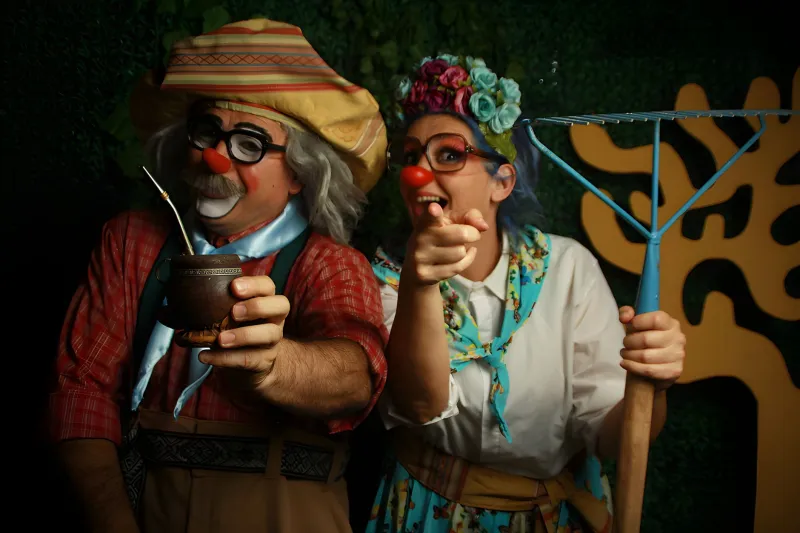
Let's be honest: nobody hands you a laminated guide when you decide to make a career out of comedy that confuses at least forty percent of any given audience. There's no orientation packet for the alternative circuit. You just kind of show up somewhere in Brooklyn or Austin, realize you're performing after a puppet show and before a conceptual mime, and figure it out from there.
But here's the thing — that chaotic, gloriously unpredictable world of alternative comedy festivals is also one of the most fertile grounds for building a real, lasting career. Comics who've graced unconventional stages from the Eugene Mirman Comedy Festival to Bridgetown to High Plains Comedy Festival will tell you the same thing: the weird circuit rewards the prepared and punishes the passive.
So let's talk about how to actually survive — and thrive — in it.
Know the Landscape Before You Book Anything
Not all comedy festivals are created equal, and that's especially true on the alternative end of the spectrum. There's a significant difference between a festival that programs experimental narrative comedy alongside absurdist sketch groups and one that just slaps the word "alternative" on a lineup of slightly edgier club acts.
Do your homework. Watch footage from previous years. Read the programming notes. Pay attention to who the curators are, because in this world, the curator's sensibility IS the festival's identity. A festival booked by someone who loves anti-comedy and conceptual performance is going to feel completely different from one run by a booker who came up through improv troupes.
Comedian Petra Collins — no, not that one, a different one who does a forty-minute bit entirely from the perspective of a malfunctioning ATM — puts it bluntly: "I wasted two years submitting to festivals that weren't built for what I do. Once I started targeting the right rooms, everything changed. The right audience isn't everywhere. You have to find where they live."
Your Submission Materials Are a First Performance
Here's where a lot of comics fumble badly. They treat their festival submission like a job application — formal, stiff, weirdly corporate. But alternative comedy programmers are looking for a voice, not a résumé.
Your bio should sound like you. Your video should show your actual act, not a cleaned-up version you think will appeal to more people. A submission that tries to sand down your weirdest edges to seem more "bookable" will almost always lose to one that commits fully to a distinct point of view.
That said, commit to professionalism in the logistics. Submit on time. Follow the specific instructions each festival provides. Respond to emails promptly. The alternative comedy world is small, interconnected, and has a long memory. Being the comic who ghosted a festival coordinator after getting booked is a reputation that travels faster than your act ever will.
The Green Room Is a Networking Tool You're Probably Underusing
Festivals compress something remarkable into a very short window: you are suddenly surrounded by dozens of other comics who share your sensibility, your ambitions, and your inexplicable career choice. This is not the time to retreat into your phone.
The green room, the after-party, the 2 a.m. diner run — these are where genuine creative relationships get built. Not transactional networking, but the kind of organic connection that leads to collaborations, co-bills, podcast appearances, and someone vouching for you to a booker three years from now when you really need it.
Comic and festival veteran Marcus Dade, who has performed at over a dozen alternative festivals in the past five years, describes it this way: "The best thing that ever happened to my career wasn't a set I did at a festival. It was a conversation I had in a parking lot afterward with two other comics who became my closest collaborators. Festivals create those conditions artificially, but the relationships are real."
Build Your Audience Where the Festival Isn't
One of the biggest misconceptions about festival performances is that the audience in the room is your primary prize. It isn't. Or rather, it shouldn't be the only thing you're thinking about.
Alternative comedy fans are voracious online. They share clips, they follow comedians on every available platform, and they will evangelize for a performer they love in ways that traditional marketing can't replicate. Every festival set is an opportunity to create content — with permission from organizers — that extends your reach far beyond the venue's capacity.
Document your festival experience. Not in a cringe "personal brand" way, but authentically. Show people what it actually looks and feels like to be a working weird comedian navigating this circuit. That transparency is itself a form of comedy, and audiences respond to it.
When the Set Goes Sideways, That's Information
Here's the part nobody warns you about: alternative comedy festival audiences are not monolithic. A crowd that's primed for experimental work at one event might be more conservative at another, even within the same broad scene. You will occasionally bomb in rooms that should theoretically be perfect for you.
This is not a sign that you should change your act. It's data. Pay attention to which specific elements land and which don't. Talk to other comics about their experiences with the same crowd. And remember that bombing in a room full of fellow weirdos carries considerably less psychic damage than bombing in front of people who genuinely wanted a clean observational set about airplane food.
The alternative festival circuit is, at its core, a long experiment. The comics who last are the ones who treat every gig — triumphant or catastrophic — as useful information rather than a verdict on their worth as human beings.
The Long Game Is the Only Game
Building a career through the alternative festival circuit is not a fast process. It is, however, an unusually durable one. The audiences you win over in these spaces are deeply loyal. They follow careers over years and decades. They buy tickets, they buy albums, they show up.
That's the promise of this whole strange ecosystem — the one that festivals like ours have always believed in. Weird comedy finds its people. Your job is to keep showing up until it does.