You Had to Be There (And That's Exactly the Point): How Comedy Festivals Build Fandoms That Never Quite Leave
Somewhere in Brooklyn, right now, there is a person who can recite a bit from a Eugene Mirman Comedy Festival set they saw eleven years ago. Not the whole set — just a specific three-sentence riff that landed so perfectly, in such a particular room, surrounded by such a particular group of strangers-turned-co-conspirators, that it permanently lodged itself somewhere between long-term memory and personal mythology. They have probably texted it to a friend this week. The friend knew exactly what they meant.
This is not an accident. This is the whole point.
The Cult Doesn't Recruit — It Accumulates
Mainstream comedy operates on scale. The goal is reach: the widest possible audience, the most recognizable name, the bit that plays equally well in Omaha and Orlando. There's nothing wrong with that, exactly, but it produces a fundamentally different relationship between performer and audience. When a joke is designed for everyone, it belongs to no one in particular.
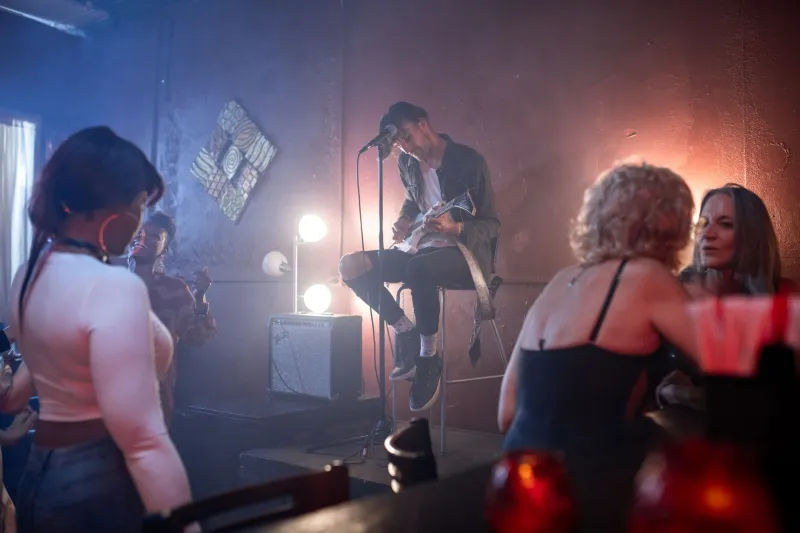
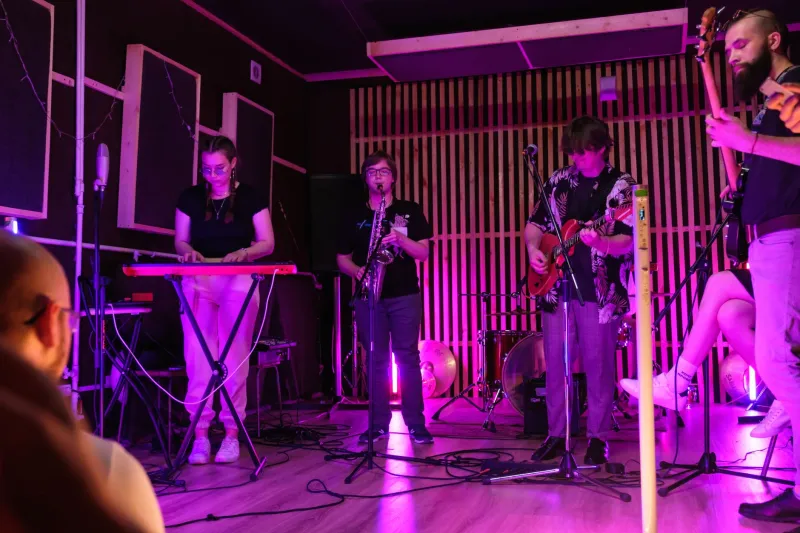
Alternative comedy festivals work on a completely different logic. The audiences are smaller by design. The performers are weirder by intention. The venues are often intimate enough that you can see the comic sweat, which is either charming or terrifying depending on the night, and frequently both. What this compression creates — what it almost can't help but create — is a sense of shared ownership over the experience.
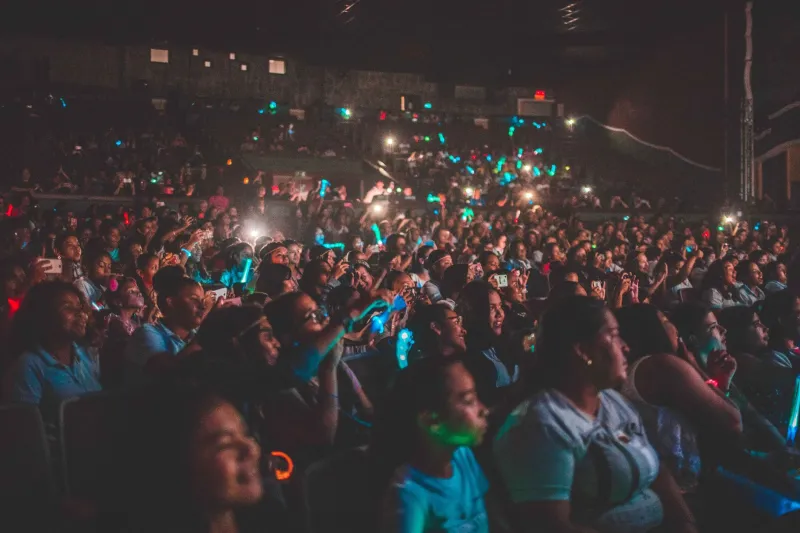
Psychologists who study group identity talk about something called "collective effervescence," a term borrowed from sociologist Émile Durkheim that describes the electric feeling of being part of a crowd experiencing the same thing at the same time. Rock concerts have it. Sports arenas have it. But those environments are enormous, anonymous, and repeatable. A 200-person comedy show in a repurposed warehouse in Brooklyn has something different: collective effervescence with receipts. You remember who was standing next to you. You remember the exact moment the joke landed. You remember that the comic went off-script for four minutes because someone in the third row was wearing a very specific hat.
Inside Jokes as Social Currency
Ask longtime festival fans what keeps them coming back and they'll almost always mention a reference. Not a bit, exactly — something more personal than that. A callback to a callback. A recurring theme that has evolved across multiple years of shows. A phrase that means nothing to anyone who wasn't there but functions, among those who were, as a kind of verbal badge.
This is how cults work, obviously, but in the best possible sense of the word. The Eugene Mirman Comedy Festival has spent years cultivating exactly this kind of layered, self-referential culture. Fans who have attended multiple festivals don't just accumulate memories — they accumulate fluency. They understand the texture of the humor, the recurring aesthetic concerns, the particular flavor of absurdism that makes this festival feel distinct from every other comedy event on the calendar. They become, in a very real sense, literate in something most people don't even know exists.
And that literacy is bonding in a way that passive entertainment consumption simply cannot replicate. Knowing every word to a popular song is impressive at karaoke. Knowing the specific callbacks from a niche comedy festival set means you've found your people.
The Psychology of Being In On It
There's a reason "you had to be there" is both a dismissal and a compliment depending on who says it. For the person who was there, it's an acknowledgment that the experience was genuinely untranslatable — that its value came precisely from its specificity and its impermanence. For the person who wasn't, it's an invitation, whether they recognize it or not.
Alternative comedy festivals are extraordinarily good at manufacturing this dynamic. The exclusivity isn't financial or social — tickets to the Eugene Mirman Comedy Festival are not priced like front-row seats at a stadium tour. The exclusivity is experiential. You had to show up. You had to be in the room. You had to be the kind of person who knew this was happening and cared enough to be there, which already tells you something about the crowd you'd find yourself in.
What this produces, over time, is a community built on a shared aesthetic sensibility rather than a shared demographic. Festival regulars span ages, professions, neighborhoods. What they have in common is a specific taste — for the weird, the cerebral, the emotionally honest, the formally adventurous — and the fact that they've been in the same room, laughing at the same things, often more than once.
Why Smaller Rooms Build Bigger Loyalties
There's a counterintuitive truth buried in the economics of alternative comedy: the festivals that inspire the deepest, most durable fandom are almost never the biggest ones. The massive multi-day events with 50 stages and corporate sponsors and a lineup designed to appeal to every possible taste tend to produce a different kind of fan — enthusiastic, certainly, but diffuse. The loyalty is to the festival as a brand, not to a specific community of people who share a specific sensibility.
Smaller, curated festivals create something tighter. When you're one of 300 people watching a set, you're not part of an audience — you're part of a cohort. You will recognize faces from this crowd at the next festival, and the one after that. You will develop a nodding familiarity with strangers that slowly, over years, becomes something more like friendship. The comic on stage becomes someone you feel you know, not because you've consumed their content on a platform, but because you've shared physical space with them while they were being genuinely, vulnerably funny.
This is the model that the Eugene Mirman Comedy Festival has always understood intuitively. The point was never to be the biggest comedy festival in America. The point was to be the right one — the one where the audience and the performers and the material were all in conversation with each other in a way that felt alive and specific and genuinely irreplaceable.
The Joke That Keeps Giving
Decades from now, the people who've been attending this festival for years will still have the references. They'll still text them to each other. They'll still feel a small, warm flicker of recognition when someone across a dinner table drops a phrase that means nothing to anyone else at the table but everything to them.
That's not nostalgia, exactly. It's something more active than that. It's the ongoing proof that they were part of something real — something that existed in a specific place at a specific time and couldn't be streamed or downloaded or experienced secondhand. Something that required them to actually show up.
In a media landscape that increasingly values scale over specificity and convenience over presence, that might be the most radical thing a comedy festival can offer: the irreplaceable experience of being there, in the room, in on the joke, with your people.
See you at the next one.