Why 300 Strangers in a Dark Room Beat 30,000 in a Stadium Every Single Time
Let's get something straight: stadium comedy is impressive the way a cruise ship buffet is impressive. Enormous. Technically accomplished. And yet somehow, by the end, you're not sure you actually tasted anything.
The best comedy doesn't scale the way pop concerts do. It does something stranger and more interesting. It contracts. It gets smaller, weirder, more specific—and in doing so, it becomes more powerful than anything a Jumbotron could ever amplify. This is the central paradox that alternative comedy festivals like the Eugene Mirman Comedy Festival have quietly understood for years while the rest of the entertainment industry was busy renting out Madison Square Garden.
The Room Is the Instrument
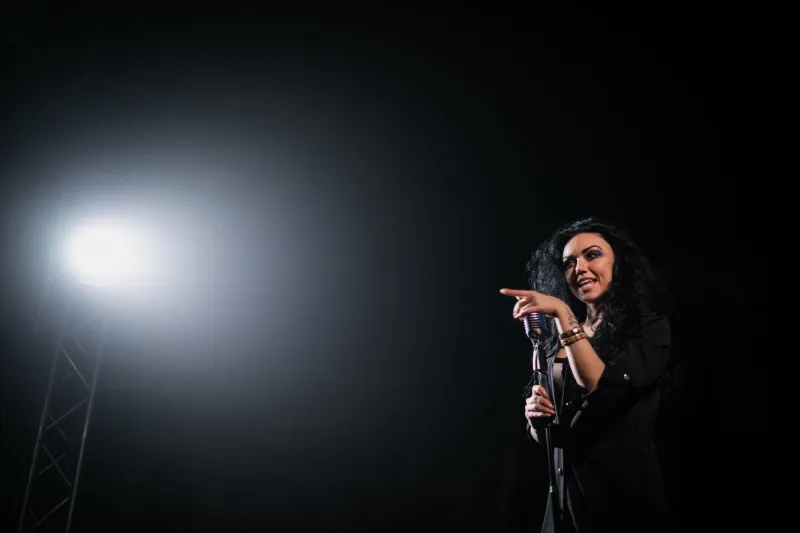
When a comedian walks onto a stage in a 300-seat theater, something immediately different happens compared to an arena show: the performer can actually see you. Not a vague blur of phone screens and foam fingers, but actual human faces with actual human expressions—skepticism, delight, confusion, the specific look someone makes when a joke lands somewhere they didn't expect.
This isn't a small thing. It's everything.
Comedians frequently describe the small venue as a feedback loop that operates almost in real time. You try a word, the room shifts. You lean into an idea, and you can feel—literally feel, in your sternum—whether it's working. Larger venues introduce a time delay into that loop. Sound travels slower. Laughter arrives in waves rather than as a unified response. The comedian on the arena stage is, in a very real sense, performing slightly into the past.
Alternative comedy, which tends to be built on specificity, subversion, and the kind of humor that requires the audience to meet it halfway, depends on that real-time calibration more than almost any other genre. A bit about the existential horror of appliance warranties needs the room to be leaning in, not leaning back in a stadium seat trying to read a giant screen.
The Unspoken Contract
Every comedy performance involves a contract between performer and audience, and most of it is never stated aloud. The terms are negotiated through proximity, sightlines, room temperature, and the collective decision the crowd makes in the first ninety seconds about how weird they're willing to let this get.
In a small venue, that contract gets signed fast and runs deep. When you're sitting close enough to see the comedian's shoes, you're implicated. You're part of the show whether you like it or not. That shared vulnerability—performer exposed, audience exposed right back—creates a psychological intimacy that fundamentally changes what's possible in the room.
This is why the bits that absolutely destroy in a 400-seat theater often feel flat when replayed on video. The video can't capture the contract. It can't reproduce the sensation of being in a room where everyone has silently agreed to go somewhere unusual together.
Alternative comedy, perhaps more than any other style, depends on that agreement. Eugene Mirman didn't build a festival around 200-500 seat venues by accident. The scale is the philosophy.
Crowd Energy Is a Finite Resource—and Arenas Spend It Badly
There's a physics to audience energy that most people intuitively understand but rarely articulate. Laughter, it turns out, is contagious in a very literal, measurable way. When someone near you laughs, your brain processes it as a social cue and is physiologically primed to laugh as well. This is why laugh tracks exist, why comedy clubs seat people close together, and why a half-empty room feels so catastrophically different from a packed one even if the jokes are identical.
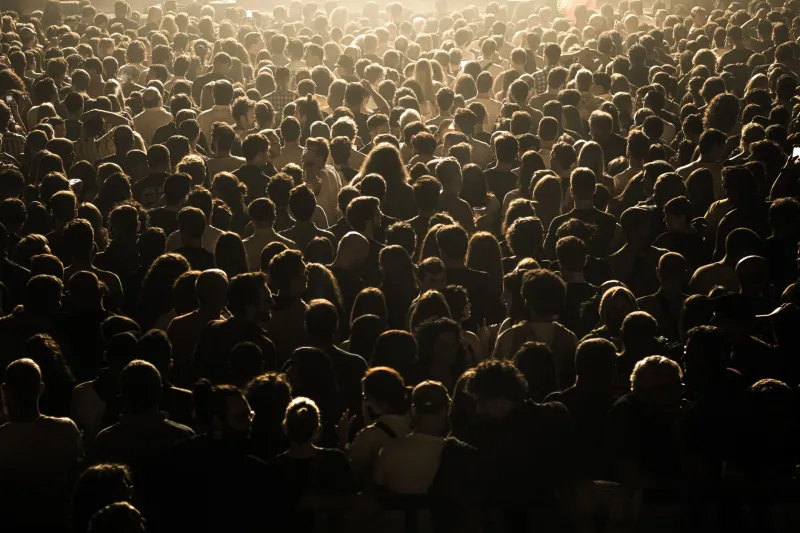
In a small venue, that contagion spreads fast and reinforces itself. The room fills up with laughter the way a small apartment fills up with the smell of good food—quickly, completely, inescapably. In an arena, the same laughter dissipates into the rafters before it can complete the loop. You might laugh, but you can't feel everyone else laughing with you in the same embodied way. The communal experience, which is the whole point, gets diluted by sheer physical space.
This is why alternative festival audiences often describe shows as feeling almost conspiratorial. Like being in on something. That feeling isn't accidental—it's what happens when crowd energy doesn't have anywhere to escape to.
Weird Comedy Needs a Petri Dish, Not a Stadium
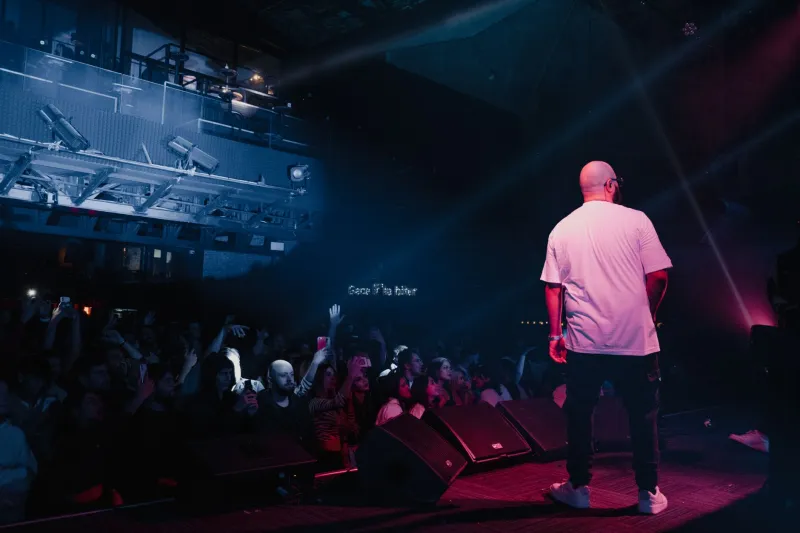
Here's the other thing about scale that doesn't get talked about enough: big rooms demand big, legible comedy. Broad strokes. Punchlines you can see coming from three jokes away. This isn't a criticism—it's just physics and demographics. When you're performing for 20,000 people, you need material that works for most of them most of the time.
Alternative comedy has never been interested in most people most of the time. It's interested in specific people having a very specific experience that they'll think about for weeks afterward. That kind of comedy requires conditions that allow it to be misunderstood by some people in the room without immediately dying. A small, self-selected audience of people who showed up specifically for the weird stuff provides exactly that buffer.
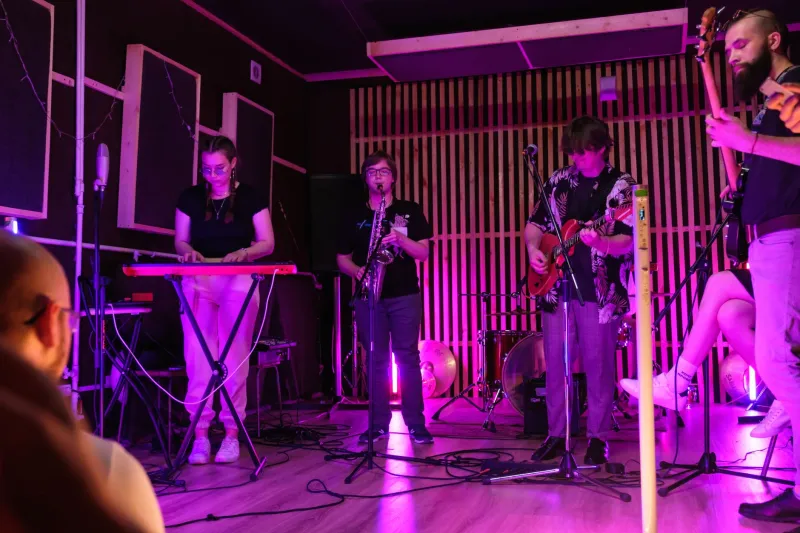
The 400-seat theater is, in this sense, a protected environment. A petri dish where experimental comedy can actually develop before anyone decides whether it's a breakthrough or a disaster. Festivals built around this scale aren't just providing a venue—they're providing an ecosystem.
The Part Where This All Comes Together
None of this is to say that arena comedy doesn't have its place or that selling out a huge venue isn't a genuine achievement. It absolutely is. But the comedians who fill those arenas almost always built their voices somewhere smaller first—in rooms where the feedback was immediate, the contract was intimate, and the audience was weird enough to let them try things.
The Eugene Mirman Comedy Festival exists precisely in that developmental sweet spot. Not because it can't get bigger, but because bigger isn't the point. The point is the specific electricity that happens when a room full of people who all decided to show up for something unusual actually get it—together, in real time, close enough to see each other's faces.
That's not a compromise. That's the whole thing.