How the Festival Became the New TV: Independent Comedy Events and the Audiences Who Ditched Their Remotes
Somewhere around 2010, a very strange thing started happening in American comedy. The people who were supposed to be gatekeepers—network executives, late-night bookers, the development teams at major studios—began losing their grip. Not all at once, and not without resistance, but the loosening was real and it was accelerating.
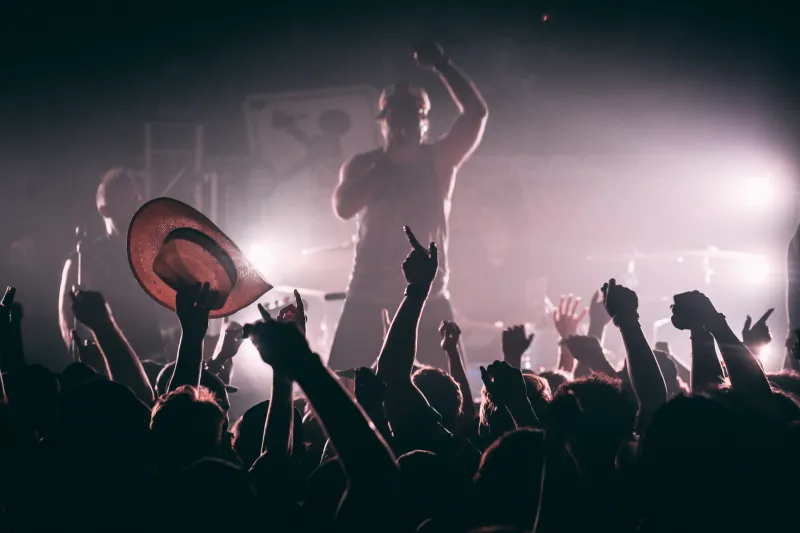
What replaced them wasn't a single new platform or a charismatic disruptor with a TED talk. What replaced them was something messier and more interesting: a sprawling, decentralized ecosystem of live events, independent festivals, and devoted fan communities that collectively decided they didn't need anyone's permission to figure out what was funny.
The independent comedy festival didn't cause this shift. But it has become, arguably, its most important institution.
What Television Actually Provided (And What It Didn't)
To understand why festivals matter now, it helps to be honest about what network TV was actually good at. It was good at reach. Enormous, almost incomprehensible reach—the kind where a sketch could be quoted by your dentist the next morning. It was good at manufacturing shared cultural moments in a country that didn't have many other ways to experience things simultaneously.
What it was genuinely terrible at was weirdness. Specificity. Comedy that required an audience to meet it somewhere unfamiliar. The economics of broadcast television demanded that content work for as many people as possible, which meant it worked deeply for almost no one. The result was decades of comedy that was technically competent and spiritually hollow—acceptable to everyone, revelatory for no one.
The comedians who didn't fit that mold—the ones working in surrealist registers, absurdist structures, or just plain strange premises—had essentially one option: find the rooms that would have them and build an audience one show at a time. The festival circuit was where that happened.
Festivals as Cultural Infrastructure
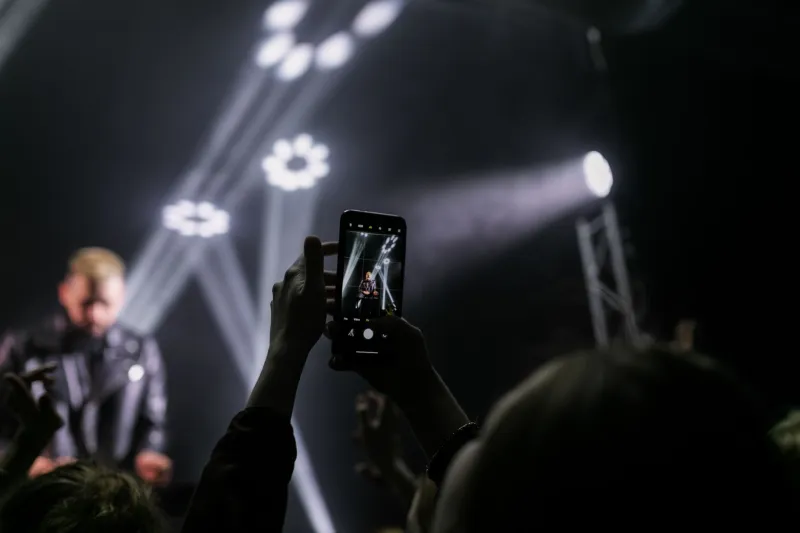
Here's what a well-run independent comedy festival actually does that a TV broadcast cannot: it creates a place. Not just a location, but a genuine destination—somewhere people travel to, plan around, and talk about afterward. That geographic and temporal specificity turns attendance into an identity marker in a way that watching something on your couch never quite manages.
When someone tells you they went to the Eugene Mirman Comedy Festival, they're not just reporting a viewing habit. They're telling you something about who they are, what they find funny, and what kind of experience they actively seek out. That's extraordinarily valuable information for a comedian trying to build a genuine fan base rather than just accumulate passive viewers.
Festivals also do something television structurally cannot: they put comedians in direct contact with the people who like them. No network notes. No focus groups. No twelve-week development process that sands off every interesting edge. Just a performer and an audience in a room, finding out in real time what's actually working.
For alternative comedy in particular, that direct feedback loop isn't just convenient—it's essential. Material that operates outside conventional comedy grammar needs to be tested in front of audiences who've opted in to something unusual. Festivals self-select for exactly those audiences.
The Discovery Problem Television Solved Badly
One of TV's legitimate functions was comedy discovery. You stumbled onto a show, loved it, told your friends, they watched, the comedian got a following. It was clunky and dependent on scheduling and the inexplicable tastes of network programmers, but it worked often enough to produce genuine careers.
The festival circuit has developed a more elegant version of the same process—one that, crucially, rewards comedians who would never survive the network development gauntlet. A performer doing dense, reference-heavy material about obscure history, or building bits around logical structures that take ten minutes to pay off, has essentially no path through traditional broadcast. But that same performer can absolutely find their audience at a festival, where the self-selection mechanism does the targeting work that TV's mass-market model could never accomplish.
This is why festivals have become genuine launching pads in a way that even the most enthusiastic TV booker rarely managed. When a comedian breaks through at a festival, they break through with an audience that actively sought them out—which means the relationship starts with a level of investment that passive TV viewership almost never generates.
Younger Audiences Aren't Watching Less Comedy—They're Watching Differently
The narrative that younger Americans have abandoned comedy consumption is almost exactly backward. What they've abandoned is the passive, broadcast-dependent model of receiving comedy that someone else decided they should see. The replacement model is more active, more participatory, and frankly more demanding of the comedy itself.
A 24-year-old who discovers a comedian at a festival, follows them online, buys tickets to their next show, and recommends them to six friends is worth more to that comedian's career than a million casual television viewers. That's not hyperbole—it's the math of actual sustained careers versus the temporary visibility of a TV appearance that evaporates when the show gets cancelled.
Festivals understand this intuitively. They're not trying to reach everyone. They're trying to reach the right people intensely enough that those people become genuine advocates. That model scales surprisingly well, even if it looks modest from the outside.
What This Means If You're Building a Comedy Career Right Now
If you're a comedian trying to figure out where to put your energy, the festival ecosystem deserves serious strategic attention—not as a fallback from TV ambitions, but as a primary path with its own logic and rewards.
Festivals offer something the broadcast world never could: the chance to build a reputation among people who are specifically predisposed to appreciate what you do. The Eugene Mirman Comedy Festival isn't just a venue—it's a curatorial statement about what kind of comedy matters and who belongs in conversation with it. Getting into that conversation, and contributing to it genuinely, is how alternative comedians build the kind of careers that last past a single season.
The gatekeepers didn't disappear. They just got replaced by something more interesting: communities of people who care deeply about comedy that actually challenges them. Those communities live at festivals. And they're not going back to appointment television anytime soon.