You Know the Bit: How Festival Diehards Accidentally Became Eugene Mirman's Most Valuable Collaborators
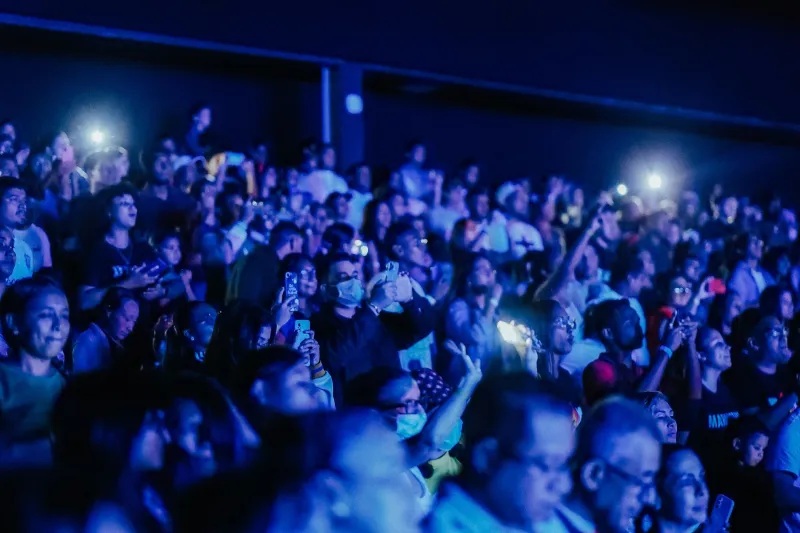
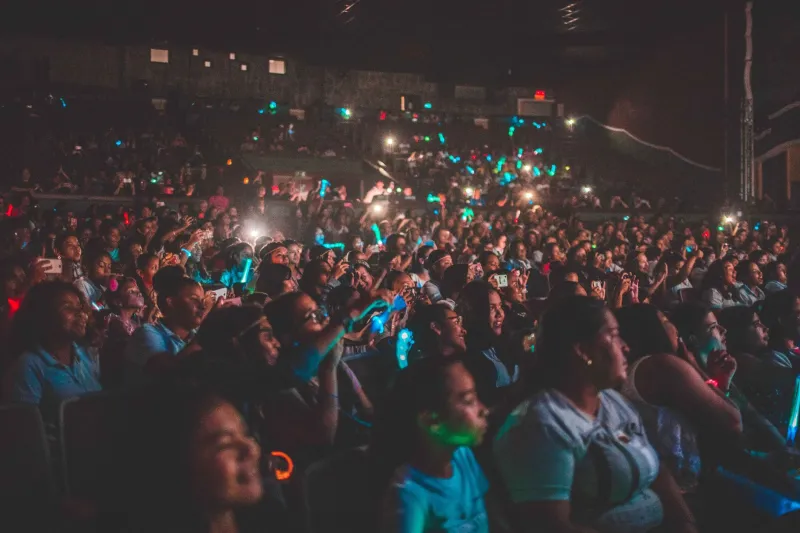
There's a specific facial expression that only exists at alternative comedy festivals. It's not quite a laugh. It's not quite a knowing smirk. It's somewhere in between — the face of someone who recognizes something, who has context, who was there the last time this particular weird thing happened and is now watching it happen again in a slightly different costume. If you've been coming to the Eugene Mirman Comedy Festival for more than two years, you've almost certainly made this face. Probably without realizing it.
What you were doing, in that moment, was collaborating.
The Audience as Archive
Most discussions about comedy treat the audience as a passive ingredient — the room that laughs or doesn't, the crowd that gets it or doesn't, the people who buy the tickets and then get out of the way so the real work can happen. But anyone who studies how alternative comedy actually functions knows that framing is wildly incomplete, especially when you zoom in on festival culture.
Repeat attendees don't just witness comedy. They remember it. And that collective memory creates something that no single comedian, no matter how brilliant, could manufacture alone.
When a performer references something they did in a set three years ago — maybe a throwaway aside, maybe a character who only appeared once — and a significant chunk of the room reacts, that reaction is doing real comedic work. The callback lands harder because the audience is completing the circuit. They're the other half of the joke. Without them, it's just a guy talking.
This is the cult of the callback, and it runs deeper than most people appreciate.
How Regulars Change What Comics Do
Ask any comedian who performs at the same festival multiple times and they'll tell you: they think about the returning crowd. Not in a pandering way, not in a greatest-hits way, but in the way that any artist thinks about an audience that has been paying close attention. You don't repeat yourself for people who remember everything. You build on it.
This creates a fascinating evolutionary pressure on comedy material. A bit that worked in 2019 doesn't get recycled wholesale in 2024 — it gets referenced, alluded to, subverted. The comedian knows that a percentage of the room will catch the echo, and that catching it will produce a specific kind of delight that's entirely unavailable to first-timers. It's comedy with a hidden layer, a bonus track for the people who did the homework.
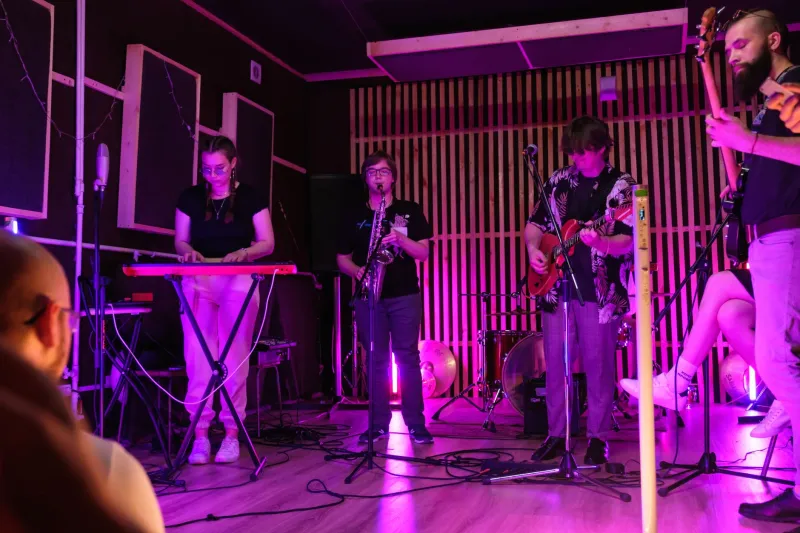
At festivals like ours, where the spirit of the whole enterprise is built around the weird, the unexpected, and the aggressively non-mainstream, this dynamic is especially pronounced. The regular attendees aren't just fans. They're an institutional memory bank that the performers actively draw from.
Inside Jokes That Belong to Everyone and No One
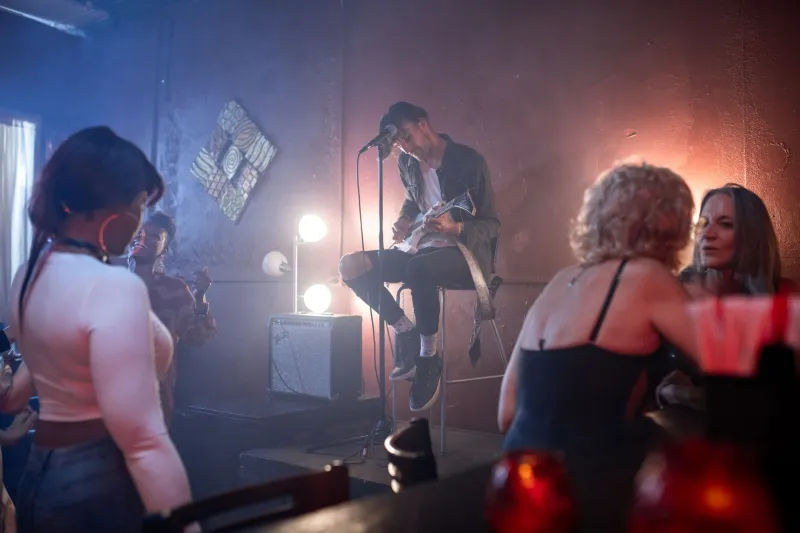
One of the stranger phenomena in long-running alternative comedy festival culture is the emergence of jokes that exist between performers and audiences — jokes that nobody can quite claim ownership of because they evolved in the space between the stage and the seats.
Maybe a comedian made an offhand comment about something absurd happening in the lobby. Maybe someone in the crowd responded in a way that became part of the bit. Maybe the bit traveled across years, got picked up by a different performer who'd heard about it, got riffed on, got twisted into something new. By the time anyone tried to trace its origin, it had become genuinely communal property.
This is the living organism quality of a festival that has real longevity. It stops being a series of discrete events and starts being a continuous, sprawling, deeply weird conversation. The audience members who keep showing up aren't just attending that conversation — they're sustaining it. They're the reason it doesn't die between Octobers.
The First-Timer Problem (And Why It's Actually Beautiful)
Here's the tension that makes this whole ecosystem so interesting: the inside-joke culture that rewards loyal attendees can feel genuinely alienating to first-timers. You show up not knowing any of the history, the references fly over your head, and you have the distinct sensation that everyone else is in on something you're not.
But here's the thing — that sensation is itself part of the experience. It's the sensation of standing at the edge of something with real depth, something that has been accumulating meaning for years. It's an invitation disguised as exclusion.
First-timers who feel that pull and come back the following year aren't just buying another ticket. They're beginning the process of becoming collaborators. They're starting to build the internal archive that will eventually let them make the face — that half-laugh, half-recognition expression that marks you as someone who has been paying attention.
The cult doesn't recruit. It just keeps doing interesting things until the right people can't help but return.
What This Means for Comedy as an Art Form
The broader cultural conversation about comedy tends to focus on individual genius — the singular voice, the breakout special, the comedian who cracked some code that nobody else could. And that framing isn't wrong, exactly. But it misses something important about what makes live alternative comedy festivals a genuinely distinct art form.
At their best, these events are collaborative in a way that recorded comedy simply cannot be. The audience's memory, participation, and collective weirdness is baked into the structure of what happens on stage. You cannot extract the performers from the crowd and get the same thing. You cannot watch a recording of a Eugene Mirman Comedy Festival set and fully understand what made it work, because half of what made it work was the specific people in that specific room who had been showing up for years and knew exactly what they were watching.
That's not a limitation. That's the point.
Come Back. You're Part of This.
If you've been to this festival once, you've seen something. If you've been three or four times, you've started to understand something. And if you're a genuine lifer — the kind of person who has opinions about how a particular bit has evolved over the years, who remembers the crowd's reaction to something that happened in a basement venue in Brooklyn at 11pm on a Saturday — then you are, whether you knew it or not, one of the people who makes this whole thing possible.
The comedians bring the material. The festival brings the stage. But the regulars bring the memory, and memory is what turns a series of funny nights into something that actually means something.
See you there. You already know the bit.