No Followers Required: How Alternative Comics Build Devoted Fanbases by Refusing to Go Viral

There is a certain kind of comedian who, when asked if they're on TikTok, responds with a look usually reserved for people who've just suggested eating gas station sushi. Not contempt, exactly. More like a weary recognition that the question itself contains a premise they fundamentally reject.
These are the comics who play 200-seat rooms that sell out before any official announcement goes up. The ones whose fans forward emails to each other like they're passing contraband. The ones whose names you heard from someone who heard from someone who swore you'd understand it when you got there.
In an attention economy that rewards the loudest, the fastest, and the most algorithmically compliant, these comedians have built something that looks almost aggressively analog: genuine, durable, weird-specific fandom. And the mechanics of how they did it are worth paying very close attention to.
The Email List as Sacred Text
Ask a certain subset of alternative comics what their most important marketing tool is, and they will say, with complete sincerity, their newsletter. Not their Instagram grid. Not their follower count. A plain-text email that goes out to a few thousand people who specifically asked for it.
The logic isn't nostalgic—it's strategic. An email list is owned. It doesn't disappear when a platform changes its algorithm, gets acquired by a billionaire with a chaos fetish, or decides that your content category is suddenly demotion-worthy. It's a direct line to people who raised their hand and said, yes, I want more of this specific weird thing.
More importantly, the tone of those emails tends to mirror the tone of the comedy itself. They're shaggy. They contain digressions. They reference something from a set three years ago that only people who were there will catch. That insider texture isn't an accident—it's the whole point. When you open an email and immediately get a reference that makes you feel like you're in on something, you are being inducted. You become a keeper of the bit.
Word-of-Mouth Mythology and the Art of the Earned Recommendation
There's a category of comedy experience that resists description. You try to explain it to someone and they look at you with polite confusion and you say, you just have to go, and then they go, and then they become the person saying you just have to go to someone else. This is not an accident. It's a feature.
Alternative comedy, at its best, creates experiences that are genuinely difficult to summarize. The weirdness isn't a quirk—it's a structural element that makes the whole thing word-of-mouth dependent by design. You can't post a clip that captures it. You can't write a tweet that conveys it. The only way to transmit the experience is to send someone directly into it.
Comics who understand this lean into it hard. They build sets with layers that reward repeat attendance. They create mythology around their shows—the thing that happened that one night, the callback that only landed because of something from six months ago. Fans become archivists. They remember. They compare notes. They argue about which version of a bit was the definitive one.
This is, it turns out, significantly more binding than a viral clip that 400,000 strangers watched while scrolling through lunch.
Strategic Obscurity Is Not the Same as Hiding
There's a distinction worth making here between comics who are obscure because they haven't found their audience and comics who are obscure because they've decided to curate their audience very carefully. The second group is doing something intentional.
Limiting your social media presence, not submitting to every open call, declining certain press opportunities—these can read as career self-sabotage from the outside. From the inside, they're often about maintaining the specific temperature of a fanbase. When everyone knows about something, the people who cared about it first feel their ownership diluted. That's not a petty concern. That ownership is part of what makes them evangelical.
The gatekeeping that happens in alternative comedy circles—the you have to earn this recommendation energy—functions as quality control for the room. Shows stay weird because the audience is pre-selected for weird. The vibe holds because the people who show up came specifically for the vibe. That feedback loop is almost impossible to replicate through mass exposure.
Inside Jokes as Infrastructure
One of the more sophisticated tricks in the alternative comedy playbook is the embedded callback—a reference planted in a set that only activates for people who've been paying attention across multiple shows, multiple years. It's not fan service in the pandering sense. It's more like a reward structure for sustained attention.
When a comic drops a reference to something they mentioned offhand eighteen months ago, two things happen simultaneously. People who catch it feel a specific, electric recognition. People who don't catch it get curious. Neither response is bad. The first deepens loyalty. The second creates motivation to go back and fill in the gaps.
This is, structurally, not unlike how a great novel rewards rereading. The architecture is designed for people who are genuinely invested, not for people passing through.
The Festival Circuit as Amplifier, Not Launcher
For comics working this way, festival appearances—like, say, the kind that happen at a certain annual gathering in Brooklyn where the weird and wonderful convene under the banner of a man whose name rhymes with "new gene"—function differently than they do for comics chasing mainstream exposure. The festival isn't where they get discovered. It's where their already-devoted audience gets to be in the same room at the same time.
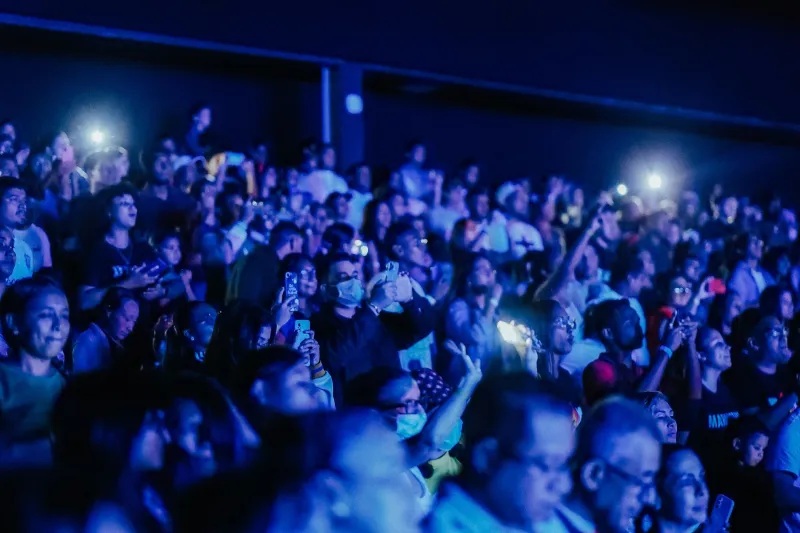
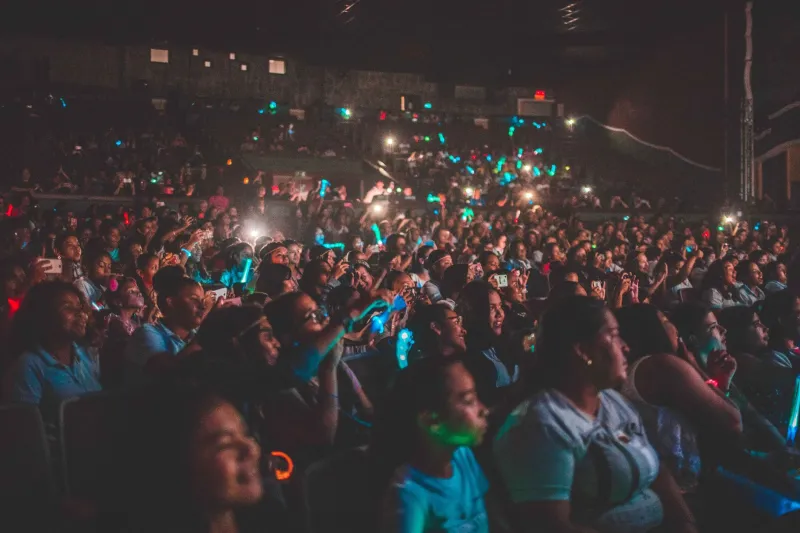
That shared experience has its own value. Fans who've been following a comic through email lists and word-of-mouth recommendations get to look around a packed room and confirm: yes, there are other people like me. That confirmation is part of what festivals do that no algorithm can replicate. They make the invisible community visible.
And for the comic, playing to a room that already knows the mythology—already gets the callbacks, already understands the register—is a completely different performance than playing to strangers. It's a conversation with a room full of people who've been preparing for it.
The Slow Build Is the Real Flex
In a cultural moment obsessed with overnight success, the slow build reads as failure. It isn't. A fanbase assembled over years through genuine connection, accumulated mythology, and earned trust is structurally different from one assembled through a viral moment. One is a foundation. The other is a spike.
The comics who've figured this out aren't anti-technology or anti-ambition. They're just playing a longer game. They're building something that doesn't depend on a platform's continued goodwill or an algorithm's continued generosity. They're building something that lives in people's heads and gets passed between friends like a recommendation for a restaurant you have to try.
Which, when you think about it, is exactly how the best things spread anyway.