First Comic Up: The Thankless, Terrifying, Absolutely Crucial Job of Opening a Comedy Festival
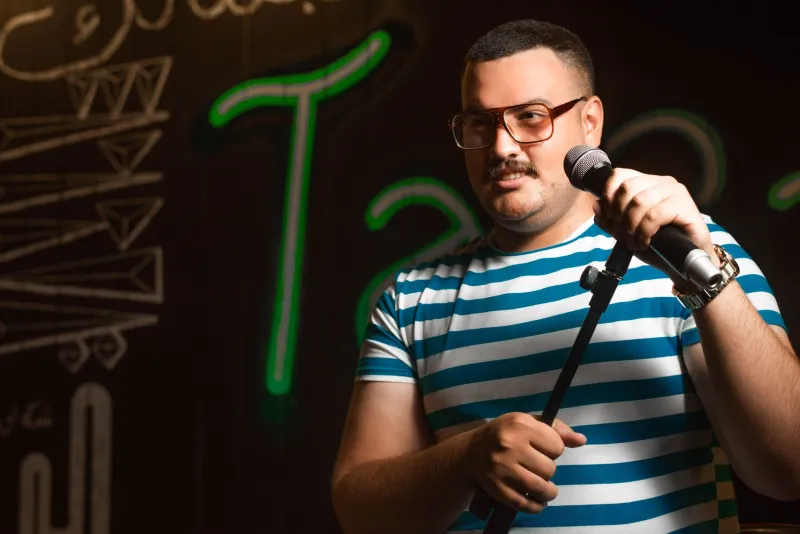
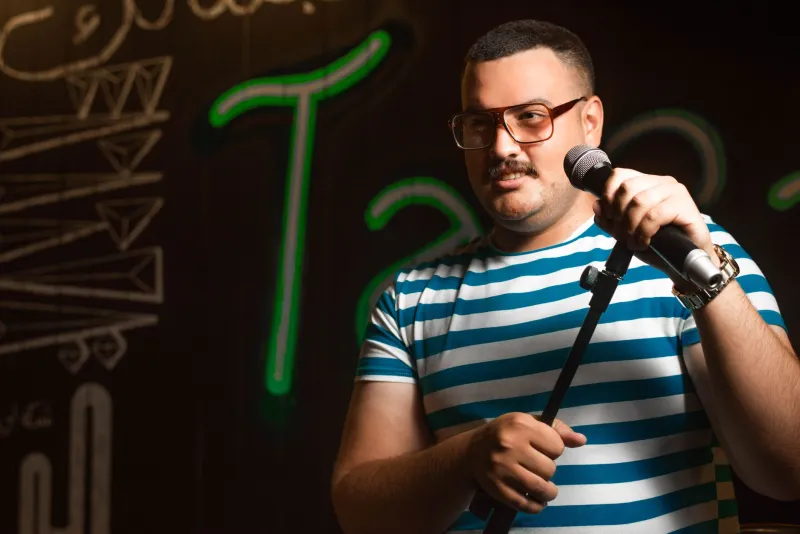
Everyone remembers the headliner. Nobody sends flowers to the opener. But ask any festival veteran which slot actually determines whether the whole weekend lives or dies, and they'll point — every single time — to the person who walks out first. The opening act isn't just warming up a crowd; they're performing emotional surgery on several hundred strangers who still have their coats on.
At a festival like this one, where the whole premise is that weird is welcome and normal is optional, the stakes of that opening slot get even stranger. You're not just setting a comedic tone. You're essentially issuing a passport to a foreign country and hoping people will hand theirs over willingly.
The Crowd Is Not a Crowd Yet
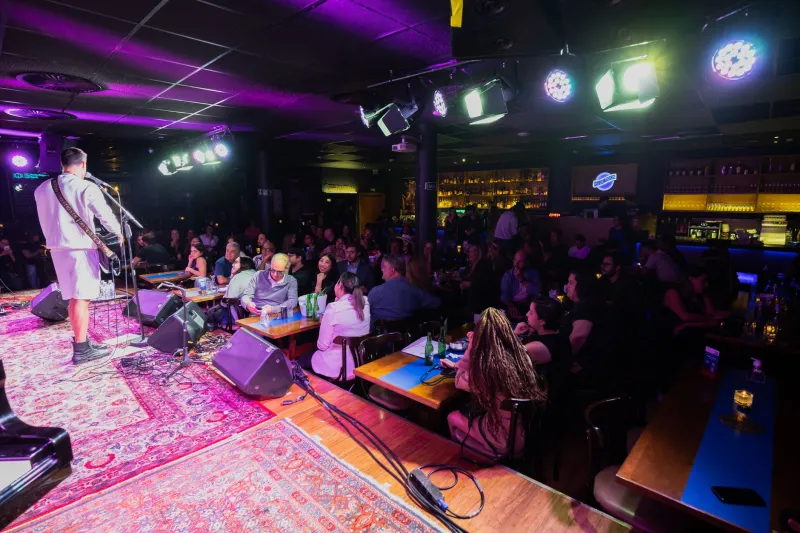
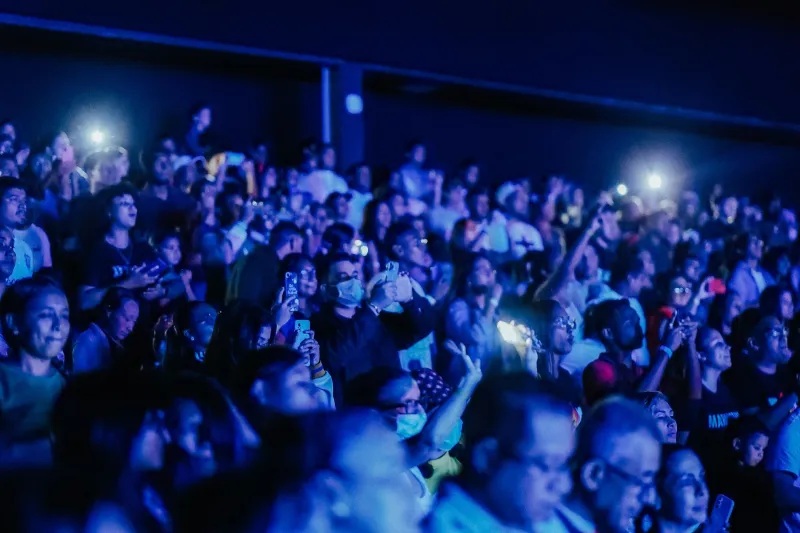
Here's what nobody tells you about the first slot at a multi-day comedy festival: the audience isn't really an audience. Not yet. They're a collection of individuals who drove here from different boroughs, different states, different emotional situations. Some of them are already three drinks in. Some of them are anxious about parking. A few of them genuinely do not know what they've signed up for and are only here because their friend bought the tickets.
The opener's job — the real job, beneath all the jokes — is to fuse these people into something coherent. To take all that scattered, distracted, slightly caffeinated human energy and point it in the same direction.
"You can feel it the second you walk out," says one comedian who has opened festival slots up and down the East Coast. "It's like everyone is still loading. You're essentially trying to get a room full of computers to boot up at the same time, and some of them are running Windows Vista."
That metaphor is funnier than it should be, and also completely accurate.
What You're Actually Managing
The psychology of a festival opening is legitimately complex in ways that don't get enough credit in the comedy world. When someone headlines, the crowd is primed. They know the name, they've watched the specials, they've already laughed at three of the bits in their head on the subway ride over. There's a pre-existing emotional contract.
The opener has no such contract. They're negotiating from scratch, often with an audience that hasn't fully committed to the experience yet. And unlike a regular club show, they're also setting expectations that will echo across every subsequent performance.
If the opener is too safe, the crowd calibrates downward and the next comedian has to fight for permission to get weird. If the opener is too chaotic too fast, the crowd gets defensive before they've had a chance to feel safe. There's a genuine Goldilocks problem here, and the porridge has to be exactly right or the whole festival bears are going to have a bad time.
"I think about it like tuning a guitar before a band plays," explains another veteran opener. "Nobody applauds the tuning. But if you skip it, everything that follows sounds slightly off and nobody can figure out why."
The Strategy Behind the Set
So what does a smart opener actually do with that pressure?
The best ones tend to work in phases. The first few minutes are almost always about acknowledgment — recognizing where the audience is emotionally, rather than where you want them to be. This isn't pandering. It's more like a weather report. Here's what's happening in this room right now. Here's what we're all feeling. Okay, now let's go somewhere else together.
From there, the experienced opener starts making micro-investments in trust. A joke that's a little weird, but not too weird. A callback that rewards the people who were paying attention. A moment of genuine surprise that signals: this is a place where unexpected things happen and that is a feature, not a bug.
Pacing is everything. Rush the weirdness and you lose the stragglers. Sit too long in comfortable territory and you've accidentally told the room that comfortable is the destination.
"My rule is that by minute seven, I need to have done at least one thing that makes someone in the back row lean over to their friend," says one comedian who has opened for major alternative festivals across the country. "Not to explain it. Just to make eye contact. That's how you know the group mind is starting to form."
When It Goes Wrong
Ask festival producers about their worst memories and a disproportionate number of them involve opening slots gone sideways. Not because openers are less talented — often the opposite is true — but because the consequences of a rough opening reverberate in ways a rough middle slot simply doesn't.
A crowd that gets burned in the first twenty minutes becomes cautious. They stop leaning forward. They start managing their own expectations, which is a polite way of saying they start protecting themselves from disappointment. Every comedian who follows has to spend a portion of their set just getting the audience back to neutral, which is time and energy that could have gone toward, you know, the actual comedy.
One festival organizer described it as "an emotional debt that the whole lineup has to pay off together." Which sounds dramatic until you've sat in a room where the opener bombed and watched three subsequent comedians struggle against an invisible current.
The Weird Festival Wrinkle
At a festival built on alternative comedy — the kind where the premise is that the room is explicitly a safe space for the strange — the opener's job has an additional layer. They're not just warming up a crowd. They're issuing permission.
Permission to laugh at things that aren't traditionally funny. Permission to sit with discomfort for a beat longer than a punchline usually allows. Permission to follow a comedian somewhere unexpected and trust that there's a destination.
This is, genuinely, a more sophisticated task than headlining. The headliner inherits a room that's already been told it's okay to be here. The opener has to create that feeling from nothing, in front of people who are still technically strangers to each other and to the festival's particular frequency.
"I think about the opener as the person who decides what language the festival speaks," says one comedian who has played both opening and closing slots at alternative festivals. "Everyone who comes after is fluent in that language by the time they get up. But somebody has to teach it first."
The Unsung Architecture of a Great Festival
The comedy world loves its headliners. It loves the closer who brings the house down on the final night, the mid-festival surprise guest, the legendary set that everyone talks about for years. What it doesn't love enough — what it almost never credits properly — is the person who made all of that possible by walking out first into a room full of strangers and deciding, single-handedly, what kind of night this was going to be.
Next time you're at a festival and the first comedian walks out, pay attention. Not just to the jokes. Watch what they're actually doing. Watch how the room shifts. Watch the moment when a collection of individuals becomes an audience.
That transformation doesn't happen by accident. Someone built it, joke by joke, in the first twenty minutes, while everyone else was still finding their seats.
They deserve more flowers than they get.