What the Drunk Guy in Row Three Is Actually Trying to Tell You
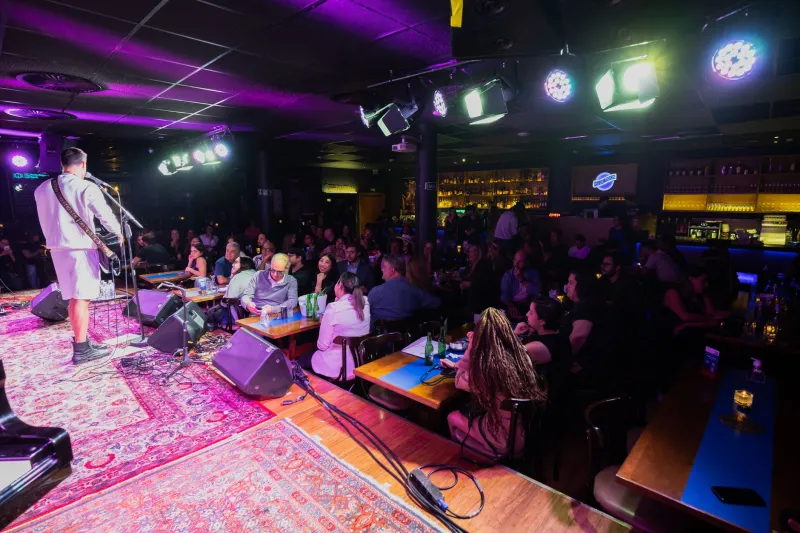
There's a moment every stand-up knows. The room is warm, the set is humming along, and then—somewhere between the second and third drink special—a voice erupts from the darkness. It might be a single word. It might be an entire competing monologue. It might be something so cosmically unhinged that the comic pauses just to confirm they heard it correctly.
Most comedy advice tells you what to do with a heckler. Shut them down. Flip it. Destroy them with precision. But the comedians who've built careers on the alternative circuit—the ones who show up year after year at festivals like this one—have developed a different instinct entirely. They listen first.
The Room Is Always Talking
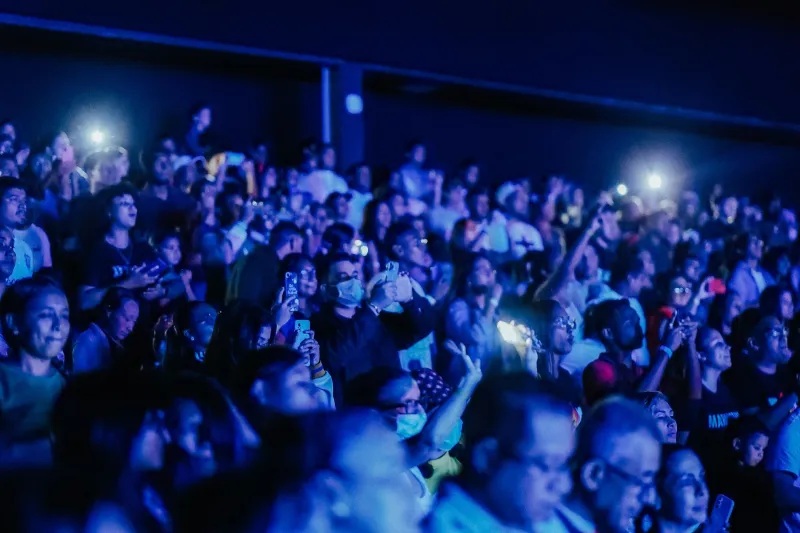
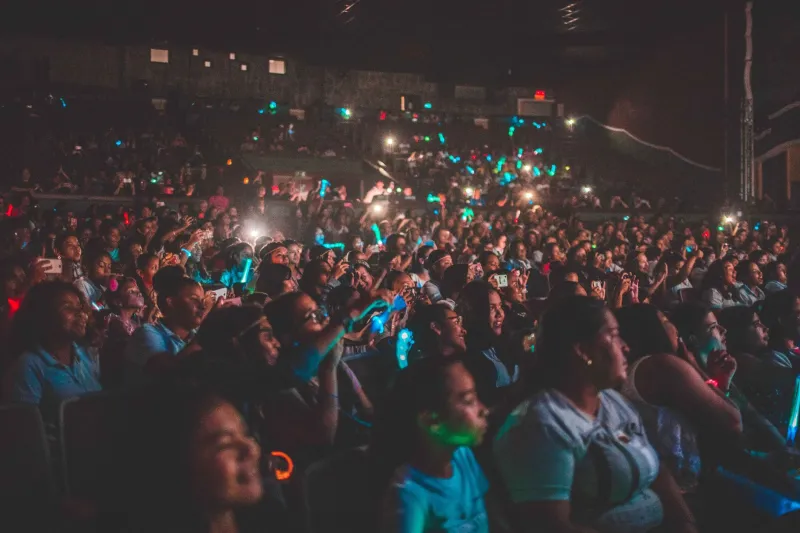
Here's the thing that gets lost in the war-story version of heckler management: most audience disruptions aren't hostile. They're participatory. The person who shouts something from the back isn't necessarily trying to derail the show. They're often—especially in the loosely structured, anything-goes atmosphere of alternative comedy—trying to join it.
"I had a guy at a festival show in Brooklyn yell 'WRONG' at me mid-punchline," recalls one comedian who's performed at several Eugene Mirman Comedy Festival events. "My first instinct was to get defensive. But when I asked him what I'd gotten wrong, he launched into this whole thing about his uncle's boat, and suddenly I had ten minutes of material I'd never considered before. The bit he 'ruined' became the best bit I did all year."
That's not luck. That's a trained ear.
Decoding the Signal
Experienced alternative comics have developed something like a heckler taxonomy—a rough field guide to the different species of audience interruption and what each one actually signals about the room.
The Enthusiast shouts because they're overflowing with agreement. They're not disrupting; they're applauding with words. Their energy, when redirected rather than suppressed, can amplify a joke's momentum. The mistake is treating their enthusiasm like a threat.
The Corrector thinks they know something you don't—and they might be right. This is the person who interjects a fact, a clarification, or a competing interpretation. In mainstream comedy, they're a nuisance. In alternative spaces, they're often handing you a gift-wrapped premise.
The Emotionally Activated person isn't responding to your joke at all. They're responding to something inside themselves that your joke accidentally unlocked. This one requires the most delicacy. The best comics can feel the difference between someone who's laughing through something and someone who's about to cry through it—and adjust accordingly.
The Genuine Heckler—the person who actually wants to derail the show—is rarer than comedy mythology suggests. And even they, when handled with curiosity rather than contempt, often reveal something useful about where the room's anxiety is sitting.
"Nine times out of ten, someone acting out in the audience is telling you something the polite people in the room are too well-behaved to say," explains a comedian who's been performing the alternative circuit since the mid-2000s. "They're like the room's id. Unfiltered. Embarrassing, sure. But honest."
Why Alternative Spaces Breed Better Listeners
There's a structural reason why the comedians who thrive at festivals like the Eugene Mirman Comedy Festival tend to be unusually good at this skill: the venues and formats reward it.
When you're performing in a 200-seat Brooklyn music venue, or a converted church basement in Austin, or a comedy festival tent in lower Manhattan, the audience is physically closer to you. The acoustics are different. The social contract is looser. People came expecting something stranger than a Netflix special, and that expectation gives them permission to participate more openly.
In arenas, disruption is antisocial. In alternative spaces, it's almost collaborative.
This is why so many of the funniest moments at this festival over the years have emerged not from the prepared material but from the unscripted collisions between comics and their crowds. The bit that wasn't in anyone's notes. The tangent that became its own twenty-minute piece. The heckler who accidentally wrote the closer.
Real-Time Material Refinement
Comedians talk about "workshopping" material like it's a clinical process—trying a joke in small rooms, adjusting the wording, testing the timing. But the most productive workshops often aren't intentional. They're the moments when an audience interruption forces a comic to defend, explain, or reroute a bit they thought they understood.
"If someone heckles a joke and I can't respond to it," one festival regular puts it bluntly, "that's on me. Either the joke isn't as airtight as I thought, or I haven't figured out what it's actually about yet. A heckler who breaks through your defenses is telling you there's a crack in the foundation."
This is a profoundly different frame than the traditional "destroy the heckler" approach. It treats audience disruption as diagnostic rather than adversarial—as information about the structural integrity of the work.
Some comics have started keeping notes specifically about heckle moments: what was said, what joke it interrupted, how the room reacted, and what the exchange revealed. It's an unconventional creative tool, but the pattern recognition it builds is genuinely useful.
The Ethics of the Exchange
None of this means every heckler deserves a platform. There's a real and important difference between someone who's disruptive and someone who's genuinely making the space worse for everyone else in the room. Reading that distinction is part of the job.
But the comics who handle it best tend to operate from a default position of curiosity rather than defensiveness. They assume, until proven otherwise, that the person causing trouble is a person—with something going on, some reason they're here tonight, some version of what they're trying to say that might actually be interesting.
That's a generous posture. It's also, not coincidentally, the same posture that makes for great alternative comedy in the first place.
What the Weird Room Teaches You
The alternative comedy circuit has always attracted performers who are unusually comfortable with uncertainty—with not knowing exactly where a set is going, with the possibility that the audience might take things somewhere unexpected. That tolerance for chaos is, in many ways, what separates the comics who belong at a festival like this one from the ones who'd rather have a teleprompter.
The drunk guy in row three isn't the enemy. He's the room talking back. And if you're good enough to hear what he's actually saying—past the slurring, past the non-sequitur, past the part where everyone else just wants him to sit down—you might walk offstage with something better than what you walked on with.
That's not an accident. That's the whole point.